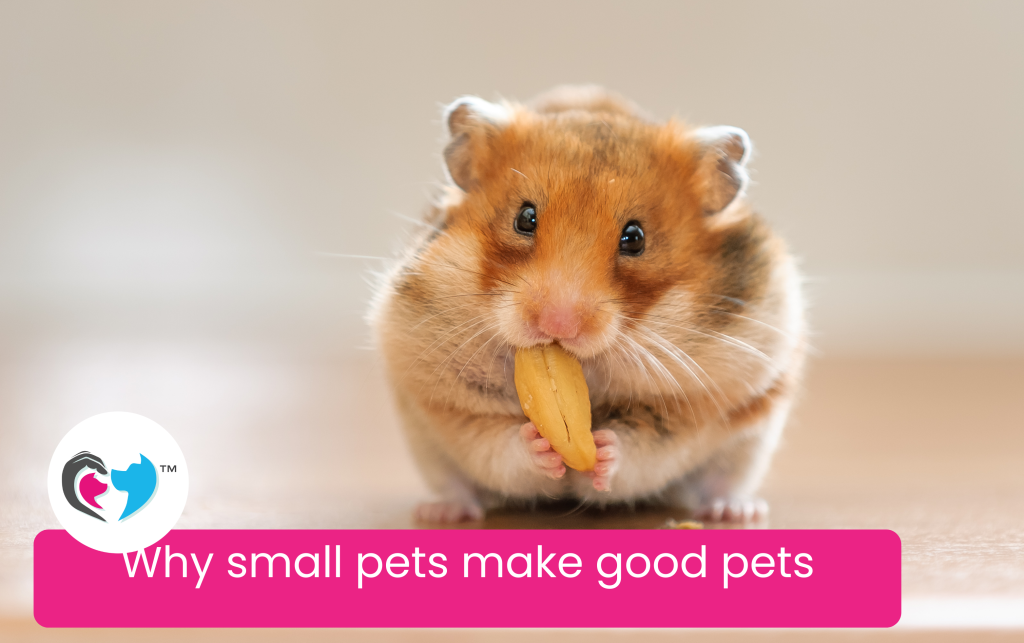
Small pets are often chosen for their size, perceived manageability, and suitability for indoor living. However, their small stature should never be mistaken for simple needs. When properly understood and cared for, small companion animals can be easily trained, are engaging, and deeply rewarding companions.
At COAPE International, we emphasise that good pet guardianship begins with understanding species-specific behaviour and welfare requirements. Small pets—including rabbits, guinea pigs, hamsters, rats, gerbils, mice, and even some reptiles—have complex physical and psychological needs that must be respected to ensure wellbeing.
Why small pets make good companions
Small pets can make excellent companions for individuals and families when matched appropriately to lifestyle and commitment levels.
They are often:
Many small mammals demonstrate advanced cognitive abilities. Rats, for example, can learn complex tasks, respond to their names, and show clear social preferences. Rabbits and guinea pigs develop strong affiliative relationships with both humans and conspecifics.
However, the key to success lies in understanding that small does not mean low maintenance.
Enrichment for all types of small pets
Environmental enrichment is essential for preventing stress, stereotypic behaviours, and health issues. Small pets are prey species in the wild, and their behavioural biology reflects this.
1. Physical enrichment
All small pets require opportunities to express natural behaviours:
Lack of enrichment may lead to bar chewing, over-grooming, aggression, or learned helplessness.
2. Social enrichment
Many small pets are highly social:
Isolation can cause chronic stress and abnormal behaviours. Conversely, some species (such as Syrian hamsters) are solitary and must be housed alone to prevent serious aggression.
Understanding species-specific social structures is critical.
3. Cognitive enrichment
Small mammals benefit from mental stimulation:
Cognitive engagement improves confidence and reduces fear responses.
Cage parameters for different small pets
One of the most common welfare concerns for small pets is inadequate enclosure size. Commercial cages are frequently marketed as “suitable” despite being too small to meet behavioural needs.
Below are general minimum guidelines (larger is always better):
Rabbits
Rabbits require space to:
Minimum recommended continuous space:
At least 3m x 2m of permanent floor space, with 24-hour access to exercise space.
Wire-bottom cages are inappropriate. Solid flooring with deep litter areas is essential.
Guinea pigs
Guinea pigs need large horizontal space rather than vertical height.
Minimum for two guinea pigs:
At least 120cm x 60cm (0.7m²), though 1.2–1.5m² is strongly recommended.
They require:
Rats
Rats require vertical space for climbing.
Minimum for two rats:
At least 80cm x 50cm x 80cm height, with multiple platforms.
Bar spacing must be narrow enough to prevent escape.
Syrian hamsters
Often severely under-housed.
Minimum recommended enclosure size:
100cm x 50cm continuous floor space, with at least 20–30cm deep bedding for burrowing.
Exercise wheels must be appropriately sized (minimum 28–30cm diameter for Syrians).
Dwarf hamsters
Minimum floor space:
80cm x 50cm, with deep substrate.
Gerbils
Require:
Minimum:
100cm x 40cm for a pair, with deep digging capacity.
Specific needs of certain small pets
Each species has unique physiological and behavioural requirements.
Rabbits
They are crepuscular and require safe hiding areas.
Guinea pigs
They communicate extensively through vocalisation.
Rats
They form strong bonds and benefit from daily interaction.
Hamsters
Improper housing is one of the leading causes of behavioural stress in hamsters.
Gerbils
Lack of substrate leads to frustration behaviours.
Matching the right small pet to the right household
Not all small pets are ideal for young children. Many are fragile prey species and can become easily stressed with excessive handling.
Considerations before choosing a small pet:
Responsible selection improves welfare outcomes and reduces surrender risk.
Small pets make excellent companions when their complex needs are properly understood and met. They offer companionship, fascinating behaviour, and opportunities for responsible animal stewardship.
However, ethical guardianship requires:
At COAPE International, we advocate for education-led ownership, ensuring that guardians choose animals whose needs they can meet throughout the animal’s lifetime.
Small pets are not starter pets—they are specialised companions deserving of informed, compassionate care.