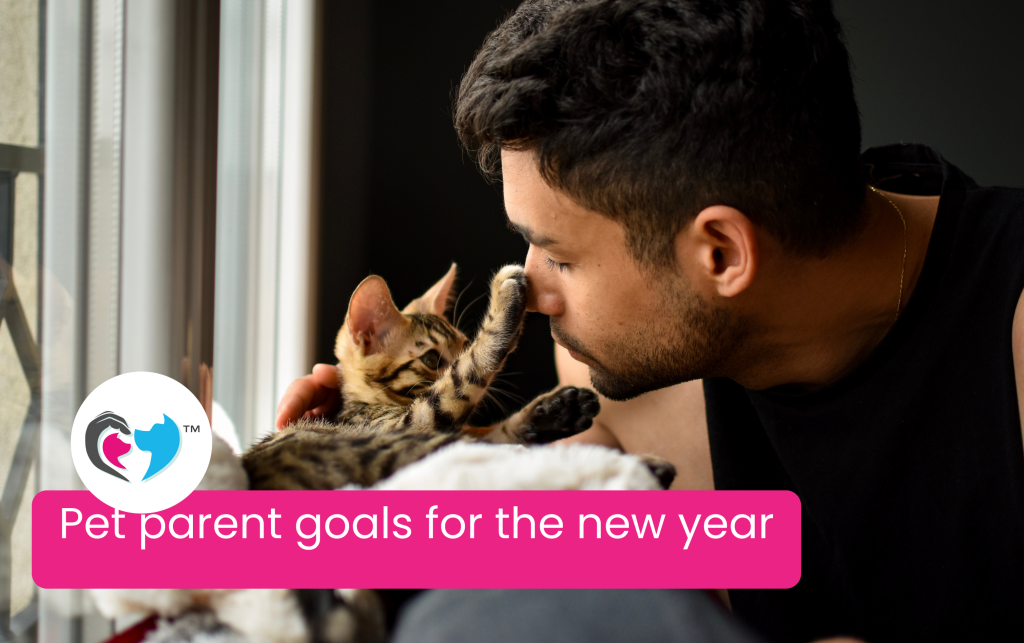
The start of a new year is the perfect time to reflect on the bond we share with our pets and set a few meaningful goals to strengthen that relationship. Whether you share your home with a dog, cat, rabbit, bird, or a small pocket pet, being a better pet parent isn’t about perfection — it’s about small, thoughtful actions that improve your pet’s wellbeing and deepen the trust between you.
Here are some inspiring pet parent goals for the new year, backed by good welfare practices and practical, easy-to-achieve steps.
1. Prioritise health with preventative care
A healthy pet is a happy pet. This year, commit to:
- Annual veterinary check-ups
- Routine vaccinations and parasite prevention
- Dental care (often overlooked but incredibly important)
- Monitoring weight & body condition
Early intervention prevents long-term problems — and reduces stress for both you and your pet.
Tip: Set a recurring calendar reminder for vet visits and monthly treatments.
2. Upgrade enrichment and mental stimulation
All animals need mental exercise, not just physical. Enrichment prevents boredom, reduces stress, and helps build confidence.
Try:
- Puzzle feeders
- Sniffing games or scent trails
- Safe chew items
- Rotate toys weekly to keep things exciting
- Provide species-appropriate opportunities (scratching posts, digging boxes, perches, hiding places)
Goal: Add one new enrichment activity each month.
3. Improve communication through training
Training isn’t just about obedience — it’s about communication, safety, and strengthening your bond.
Positive reinforcement-based training builds trust and confidence.
Aim to:
- Spend 5 minutes a day on simple training games
- Reinforce behaviours you want to see
- Avoid punishment, which damages trust and increases fear
- Learn how your pet communicates through body language
Want to grow your skills? Courses like the COAPE Hosted ‘Introduction to Practical Dog Training’ is a brilliant place to start.
4. Create routine and predictability
Animals feel more secure when they know what to expect. Create simple routines around:
- Mealtimes
- Walks or play sessions
- Rest and quiet time
- Grooming
A predictable day lowers anxiety and helps prevent behaviour challenges.
5. Assess and improve your pet’s environment
Even small changes can make a big difference.
Consider:
- Is your pet getting enough quiet, undisturbed rest?
- Are there safe hiding places or elevated spaces for cats?
- Is there comfortable bedding, shade, and shelter?
- Do you provide species-appropriate opportunities (e.g., digging zones for dogs, chewing for rabbits, foraging for birds)?
Goal: Identify one environmental improvement per season.
6. Strengthen your bond with quality time
Pets don’t just want food and shelter — they want connection.
Make space for:
- Walks without pressure or training
- Snuggling or gentle grooming
- Play sessions
- Slow, mindful time together
Even 10 minutes of undistracted attention each day makes a world of difference.
7. Learn more about your pet’s species and needs
Being a better pet parent starts with understanding your pet’s natural behaviours and welfare needs.
Many common behaviour issues stem from misunderstanding what behaviour means.
This year, commit to:
- Reading reliable resources
- Watching educational videos
- Taking a short online course to build your knowledge
Understanding leads to compassion — and better decision-making.
8. Be present, patient, and kind
Every pet has his/her own personality, history, and pace of learning.
Your biggest goal for the new year might simply be:
Be the calm, safe, predictable person your pet can trust.
This means:
- Avoid shouting or punishment
- Give space when they’re overwhelmed
- Celebrate small wins
- Advocate for your pet when they’re uncomfortable
You are your pet’s voice — and their whole world.
Becoming a better pet parent doesn’t require dramatic changes or complicated plans. Small, consistent actions add up to a happier, healthier, more confident pet — and a stronger bond between you.
Here’s to a year of wagging tails, gentle purrs, joyful chirps, and the kind of companionship only our beloved animals can offer.